Picture this familiar scenario. You spend all week dreaming of cool mountain air and pine forests. You pack your bags, take an overnight bus to Manali or Mussoorie, and spend three hours stuck in a bumper-to-bumper Mall Road traffic jam listening to car horns and diesel exhaust.
That is not an escape. That is just your city traffic relocated to a steeper slope.
The true magic of the Himalayas does not live in crowded commercial tourist hubs. It is hidden five miles beyond the highway diversions, in tranquil hamlets where deodar branches brush against wooden balconies, rivers run crystal clear, and the night sky is crowded with stars instead of neon hotel signs.
If you are craving peace, here are five quiet Himalayan alternatives that will make you fall in love with mountain travel all over again.
- Instead of Kasol
- Shangarh (Sainj Valley, Himachal Pradesh)
- Instead of Manali
- Jibhi & Tirthan Valley (Kullu, Himachal)
- Instead of Mussoorie
- Chakrata (Dehradun district, Uttarakhand)
- Instead of Nainital
- Chopta (Rudraprayag, Uttarakhand)
- Instead of Shimla
- Sangla & Kalpa (Kinnaur, Himachal Pradesh)
1. Shangarh: Swap Loud Cafes for a Sacred Alpine Clearing
While crowds flock into the Parvati Valley, turn right before the Aut Tunnel and slip into the quiet folds of the Great Himalayan National Park ecozone.
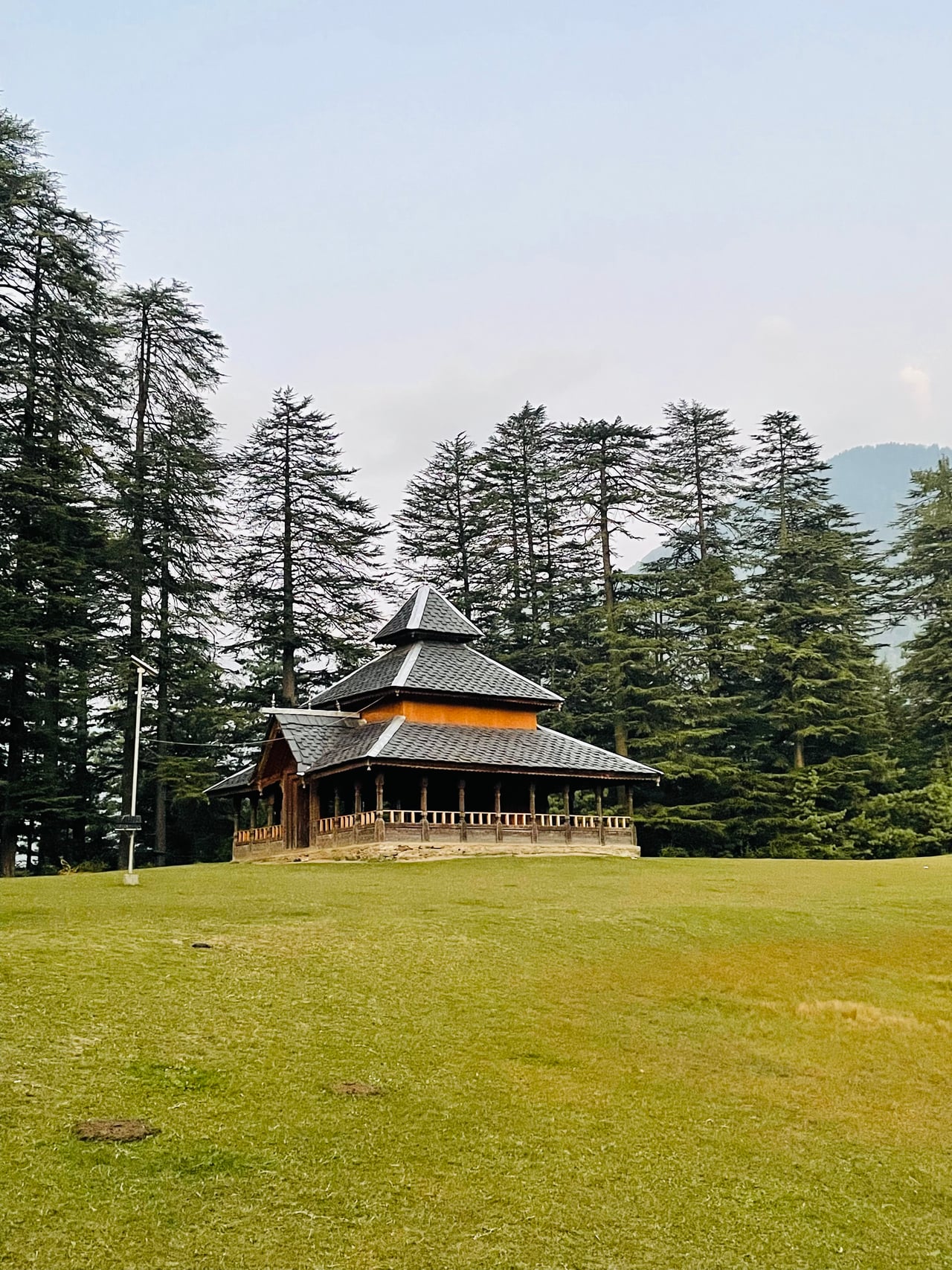
Sitting at 2,100 metres, Shangarh is famous for its vast, carpet-like meadow owned by the presiding deity, Shangchul Mahadev. Footwear and leather items are strictly barred on the sacred turf, keeping the grounds spotless and peaceful. Traditional wood-and-stone Kath-Kuni homes ring the hills, and quiet walking trails lead to hidden waterfalls like Barshangarh.
Experience it with us on our slow-paced Shangarh and Sainj Valley weekend escape, where mornings are spent sipping fresh apple tea on wooden verandas.
2. Jibhi and Tirthan Valley: Swap Manali Chaos for Trout Streams and Cedar Forests
Located just below the Jalori Pass, Jibhi and the adjoining Tirthan Valley feel like a Swiss postcard brought to life in Himachal Pradesh.
Instead of five-story concrete hotels, you stay in rustic wooden chalets built alongside tumbling mountain rivers. Spend your mornings hiking up to the emerald waters of Serolsar Lake, exploring the medieval stone watchtower of Chehni Kothi, or simply sitting on a boulder listening to the Tirthan River rushing past.
Our curated Jibhi and Tirthan Valley journey offers the perfect balance of easy forest walks, heritage sights, and campfire evenings under starry skies. For Aut arrivals, Jibhi vs Gushaini, and the Jalori–Serolsar day, use the full Jibhi and Tirthan Valley travel guide.

3. Chakrata: Swap Overcommercialized Mussoorie for Untouched Cantonment Woods
Mussoorie has its charms, but quiet solitude is rarely one of them. For travelers in Uttarakhand looking for dense forests and dramatic nature, Chakrata is a breath of fresh mountain air.
Perched at 2,118 metres, this historic British-era cantonment town is surrounded by towering deodar and oak forests. You can hike down to the multi-tiered Tiger Falls, walk through the limestone labyrinth of Budher Caves, or catch breathtaking Himalayan sunsets from Chilmiri Neck.
We run a relaxing 2-day escape on our Chakrata Weekend trip, designed for travelers who want to disconnect from work screens without spending hours on long transit.
Looking for a Crowd-Free Mountain Break?
We curate small group journeys to India's quietest mountain valleys with verified homestays and zero commercial noise. Chat with us to find your next weekend escape.
4. Chopta: Swap Nainital Crowds for High Meadows and Sacred Ridges
Often called the “Mini Switzerland of Uttarakhand”, Chopta sits inside the Kedarnath Wildlife Sanctuary at 2,680 metres. There are no shopping malls, nightclubs, or concrete hotels here. Electricity is solar-powered, and the scenery is pure, uninterrupted alpine splendor.
In the morning, walk up through rhododendron thickets to Tungnath, the highest Shiva temple on earth (3,680 m). From there, a steady ridge push brings you to Chandrashila summit (4,000 m), rewarding you with a jaw-dropping 360-degree panorama of Chaukhamba, Nanda Devi, and Trishul peaks.
Walk this iconic alpine trail with us on our Chopta Chandrashila trek.
5. Sangla and Kalpa: Swap Shimla for the Majestic Kinner Kailash
Instead of stopping at Shimla’s crowded ridges, continue deeper along the Hindustan-Tibet Highway into Kinnaur.
Sangla Valley sits cradled by the snow-capped peaks of the Baspa River basin, with picturesque wooden villages like Chitkul (India’s last village near the border). Further up, Kalpa offers dramatic front-row views of the sacred Kinner Kailash peak turning gold and crimson at dawn.
We travel through both of these Kinnaur gems on our legendary Spiti Winter Expedition, taking time to absorb the rich blend of Hindu and Buddhist mountain cultures.
Quiet Hamlets vs Commercial Hill Stations: Quick Comparison
| Crowded Destination | Peaceful Offbeat Alternative | What You Trade Away | What You Actually Experience |
|---|---|---|---|
| Kasol & Parvati | Shangarh (Sainj Valley) | Rave parties and loud cafes | Sacred deodar meadows, silence, and village walks |
| Manali Town | Jibhi & Tirthan Valley | Mall Road jams and tour buses | Trout streams, wooden chalets, and Jalori Pass |
| Mussoorie | Chakrata | Commercial shops and parking queues | Deep cantonment forests, Tiger Falls, and caves |
| Nainital | Chopta | Boating crowds and crowded lakefronts | Untouched bugyals and panoramic 4,000m ridge trails |
| Shimla | Sangla & Kalpa | Concrete hotels and asphalt ridges | Apple orchards, wooden forts, and Kinner Kailash |
When you are ready to trade mall roads for cedar trails and car horns for birdsong, these quiet mountain valleys will be waiting with warm tea and open doors.


